
 3 min read

 3 min
01 · 1 MIN READ
Why expectations moved so fast
Shoppers now expect pages to load instantly, recommendations to feel personal, payment to be effortless and help to be available whenever they need it.
The technology behind that, from AI to headless architecture to AR, is no longer reserved for global brands. Small and mid-sized businesses can use it too. The question is which pieces deserve your budget first.
02 · 1 MIN READ
AI runs through the whole journey
AI has moved from feature to foundation. Stores use it for personalised recommendations, chatbots, smart search, inventory forecasting, dynamic pricing and auto-written product descriptions.
The bigger shift is conversational shopping. Instead of typing keywords, customers ask, "Show me lightweight running shoes under ₹5,000." Pair that with personalised homepages, emails and offers, and every visitor sees a store that feels built for them, which is what drives repeat purchases.
03 · 1 MIN READ
Mobile-first, with a checkout that doesn't leak
Responsive isn't enough. Mobile-first stores are designed for thumbs: fast pages, simple filters, one-tap checkout and wallets like Google Pay and Apple Pay. For apps, cross-platform frameworks like Flutter build Android and iOS together at lower cost.
Checkout is where most revenue leaks. UPI, wallets, BNPL, subscriptions and multiple secure gateways all reduce drop-off. The numbers show why it matters:
- Average online cart abandonment rate
- 70.22%
- Conversion gain large stores can unlock with better checkout design
- 35.26%
- Retail conversions from a 0.1-second faster mobile site
- +8.4%

04 · 1 MIN READ
Headless and composable go mainstream
Headless commerce separates the storefront from the backend, so pages load faster and new experiences ship without breaking the store. Composable commerce takes it further: you pick the best tool for payments, inventory, content, CRM and marketing, and connect them by API.
For businesses planning long-term growth, this is fast becoming the default architecture rather than an enterprise luxury.
“ You don't need every trend. You need the ones that fix your customers' biggest friction. ”
06 · 1 MIN READ
Trust: security, sustainability and data
- Security builds trust: SSL, secure gateways, multi-factor authentication, fraud detection and compliance with privacy laws such as India's DPDP Act.
- Sustainability sways purchases: eco-friendly packaging, ethical sourcing, lower-carbon shipping and transparent supply chains.
- Data replaces guesswork: analytics on behaviour, best sellers, conversion and campaign performance guide pricing, UX and marketing decisions.
07 · 1 MIN READ
How to prepare without chasing everything
Not every trend fits every business. Start with five questions:
- Is your store genuinely built for mobile users?
- Are you using AI to improve the shopping experience?
- Is your checkout simple, fast and secure?
- Can your platform scale as you grow?
- Are you collecting data you actually use to decide?
At Apro, we build scalable stores on Shopify, custom stacks, Flutter and React, and help you prioritise the trends that will move your numbers first.











05 · 1 MIN READ
Social commerce and AR close the gap
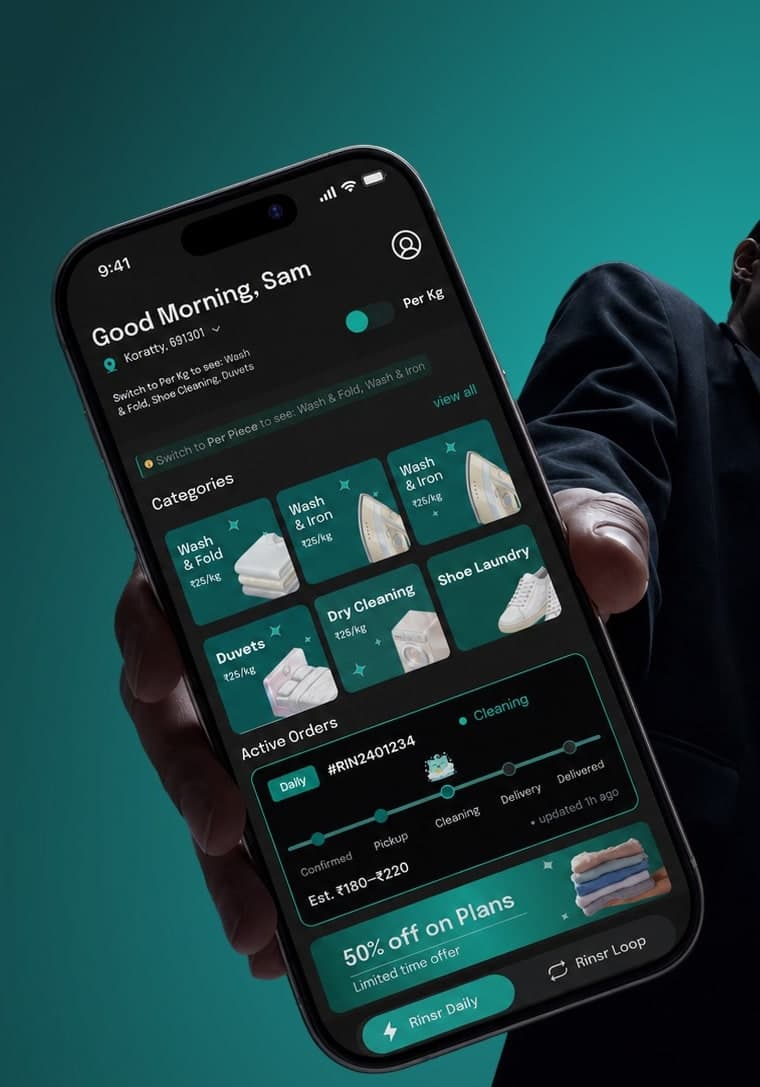
Instagram, Facebook, YouTube and WhatsApp now let customers discover and buy without leaving the app. Live shopping events and creator partnerships shorten the path from scroll to purchase. For many brands, social channels matter as much as their own website.
AR tackles online shopping's oldest problem: you can't touch the product. Virtual jewellery try-ons, furniture previews in your own room and beauty shade testing raise buyer confidence and cut returns.